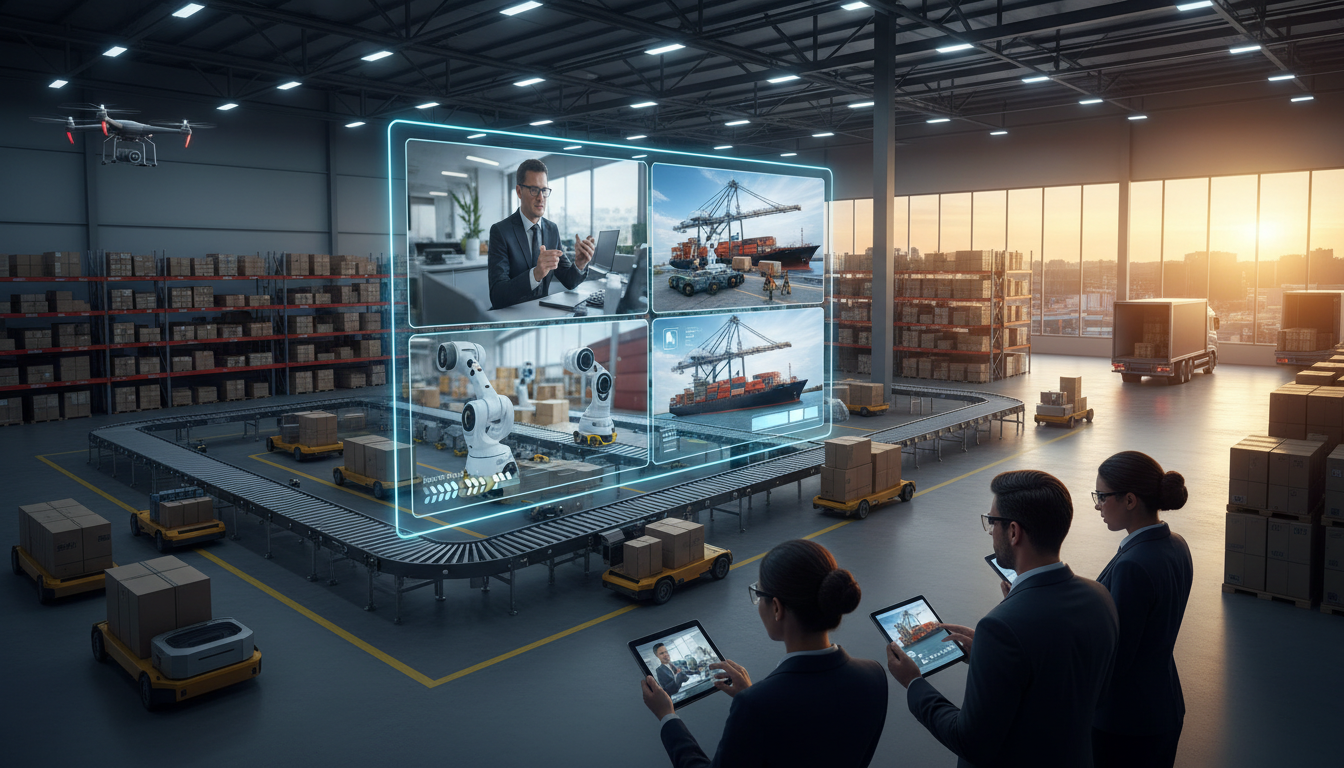
Video Retainer for Shipping and Logistics: Elevate Strategy and Efficiency
The concept of a video retainer for shipping and logistics is rapidly gaining traction among mid-sized companies looking to streamline operations and enhance communication. Rather than sporadic video marketing efforts, employing a video retainer enables consistent, high-quality content creation that aligns with strategic business goals. This article will illustrate how logistics companies can successfully integrate video retainers into their operations to drive growth and improve client engagement.
Understanding the Strategic Value of Video Retainers
What a Video Retainer Entails
Essentially, a video retainer is an agreement with a production company to create and manage video content that supports your logistical strategies over time. Unlike one-off projects, a retainer provides a consistent stream of content, allowing for better alignment with marketing and operational campaigns. By leveraging this model, companies can ensure a cohesive narrative that supports their operational objectives.
Benefits for Logistics Companies
A video retainer offers numerous advantages: it ensures that all content is strategically aligned with logistics processes, fostering a consistent brand story that enhances stakeholder trust and client relationships. It also minimizes rushed or off-brand content, preventing misalignment during critical shipping seasons. Additionally, it allows logistics companies to pivot quickly in response to shifting market conditions or client needs, thereby staying competitive in a rapidly evolving industry.
Streamlining Communication Within Logistics Operations
Internal Alignment and Efficiency
For logistics firms, video retainers can effectively align communication strategies across departments. Operations can use videos to demonstrate best practices in load optimization, while marketing leverages the same footage to illustrate service quality to prospective clients. This cross-departmental synergy ensures that all team members are on the same page, reducing the risks of operational hiccups during peak logistics times.
External Communication and Client Engagement
By continuously crafting videos that resonate with customer pain points, companies can enhance client engagement. Practical examples include showcasing real-time logistics solutions—such as the use of AI in route planning—which directly benefit client operations. When clients see tangible examples of efficiency improvements, it engenders long-term trust and fosters deeper business relationships.
Role of Data and Analytics in Video Strategies
Quantifying Impact
Data plays a crucial role in refining video content to ensure that it delivers results. Analytics can track viewer engagement, revealing what segments of the video resonate most and which call-to-actions lead to conversions. In logistics, understanding when and how customers engage with content can inform when to release a video for maximum impact—particularly ahead of high-demand periods such as holidays or Black Friday sales.
Adapting to Market Shifts
Flexibility is vital in logistics, and a data-informed video strategy can help companies swiftly adapt to market changes. By integrating feedback loops, logistics firms can rapidly tailor video content to reflect real-time operational insights and external market conditions, such as disruptions in supply chains or sudden jumps in demand.
Comparison of Video Strategies
| Approach | Pros | Cons |
|---|---|---|
| Full-Service Retainer | Consistent brand message, adaptability | Higher upfront investment |
| Ad-Hoc Production | Lower immediate cost | Inconsistent messaging, reactive |
| In-House Production | Control over content creation | Resource-intensive |
Implementing Effective Video Retainer Strategies
Setting Clear Objectives
Prioritize strategic objectives that the video content must fulfill. Whether it’s enhancing customer knowledge of complex logistics solutions or galvanizing internal teams to new processes, clear goals will dictate the direction and style of video projects.
Choosing the Right Partner
Selecting a video production company familiar with logistics challenges can enhance the value derived from the retainer. Look for partners who offer not only production expertise but also strategic insights into how media can be leveraged across multiple platforms for maximum impact.
Common Pitfalls and How to Avoid Them
Overlooking Operational Integration
Avoid treating the video retainer merely as a marketing tool. Failing to integrate content into logistics operations can lead to misaligned messaging that doesn't resonate with or even misleads customers. Ensure that there’s a feedback loop with operations teams to remain scripted in practical realities.
Ignoring Performance Metrics
Plan for the continuous assessment of video content performance. Neglecting this step risks stagnation and misses opportunities for improvement. Regular evaluation of KPI alignments—like turnaround time and client acquisition rates—ensures that content continues to meet strategic objectives.
Conclusion: Aligning Video and Logistics for Operational Excellence
Ultimately, a successful video retainer strategy for logistics hinges on strategic alignment and operational integration. By fostering collaboration across departments and leveraging analytics, logistics firms can use video content as a powerful tool to enhance operational efficiency and market standing. As the logistics industry becomes increasingly complex and competitive, the ability to communicate effectively and consistently will be pivotal to sustaining growth and fostering client trust.